Mastering Localization with Crowdin’s AI Pipelines
•19 min read
Last updated:
For years, the promise of AI in localization has been shadowed by a frustrating reality: unpredictability. A single monolithic instruction ignores carefully curated glossaries, hallucinates technical tags, or quietly loses a brand's established voice – and you only find out downstream, string by string.
That unpredictability is what makes AI translation expensive. Not the tokens – the review. When you can't tell which strings the model got right, someone has to check all of them, and the savings disappear into your reviewers' calendars.
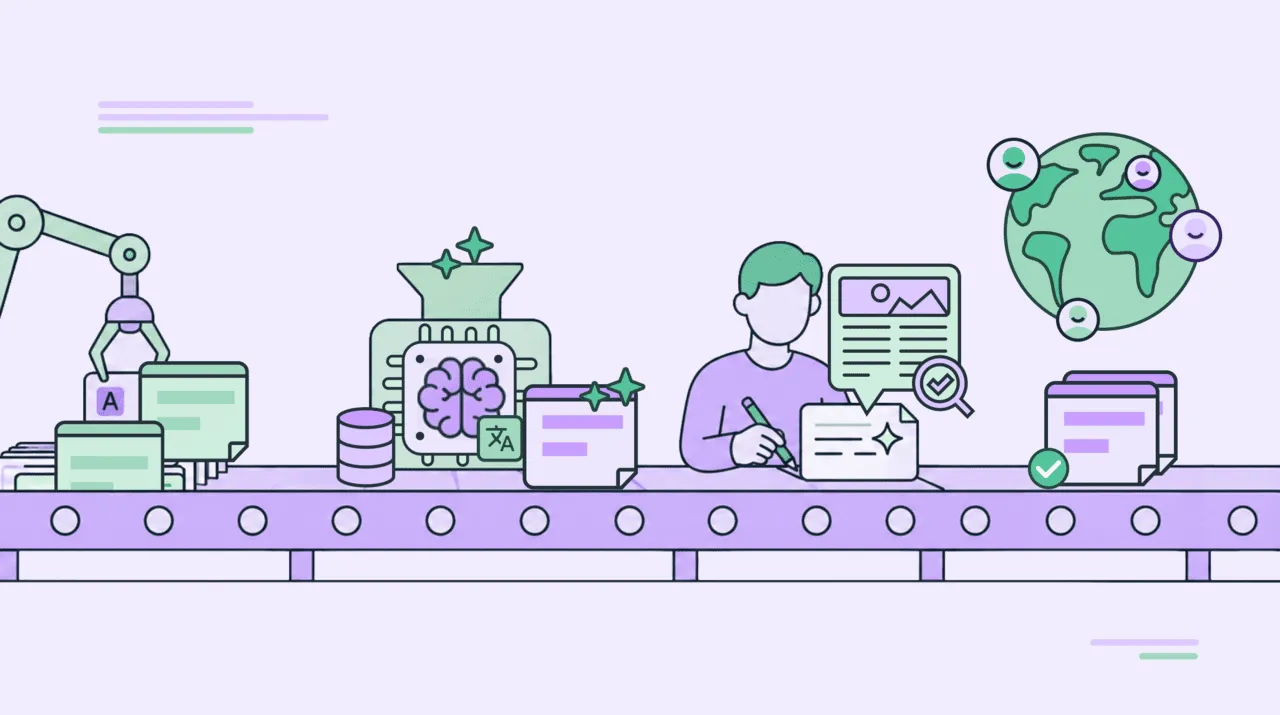
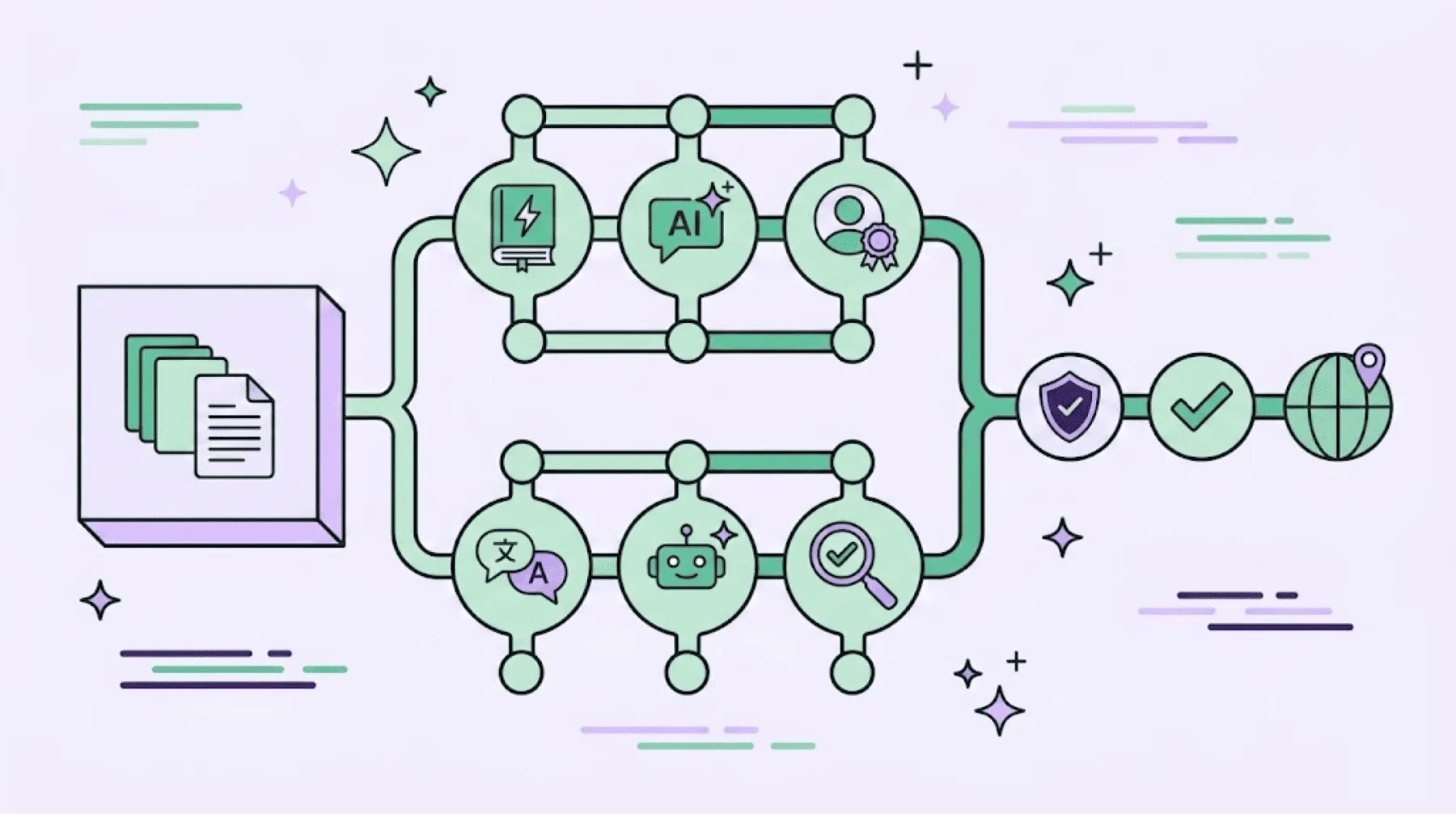
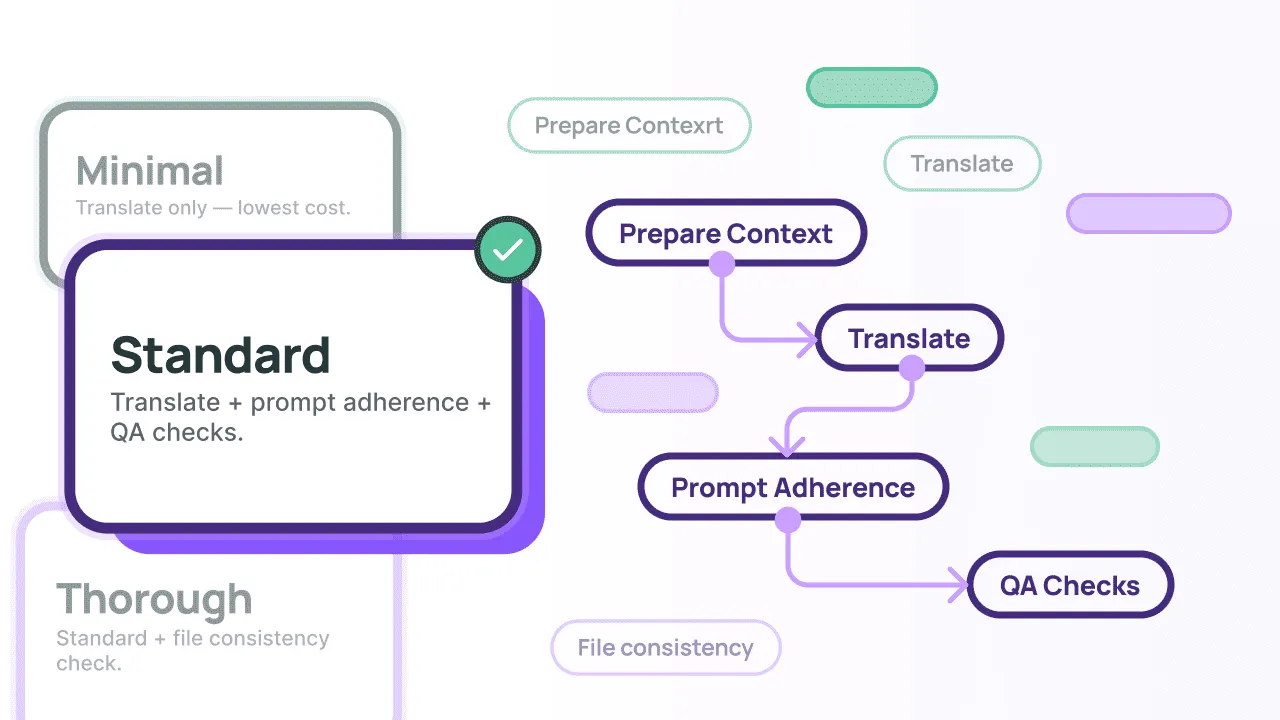
AI Pipelines are our answer to that – modular, multi-stage workflows that give an LLM one job at a time and check its work before you ever see it. What you get back is output your team can trust without reading every line of it. Since launch, they have grown into three ways of working: a two-question setup that covers most teams, ready-made templates for common content types, and a fully custom builder for everything else. This guide walks through all three.
<ActionBanner
title="Sinch publishes 56% of AI translations without human review. See the pipelines behind it."
buttonUrl="https://crowdin.com/blog/sinch-localization-with-crowdin-and-undertow"
buttonText="Read the case study"
buttonId="sinch-case-study-top"
/>